PEAQ Performance

If you are a cyclist, athlete, dancer or exerciser struggling to reach your full potential, your might have a mismatch between your training and what you are eating. Persistently running an energy deficit can have an adverse impact on your health and performance, sometimes leading to a condition called Relative Energy Deficiency in Sport (REDs). Optimal training adaptations and peak achievements rely on consistently fuelling for the work required.

I have created an app that generates a score based on a short Personal Energy Availability Questionnaire (PEAQ) designed to identify people at risk.

Personal Energy Availability Questionnaire (PEAQ)

The PEAQ is based on research published in BMJ Open Sport & Exercise Medicine, exploring the relationship between a REDs score derived from the questionnaire and quantified clinical consequences of low energy availability. A similar approach has been used in other research.

The app automates the scoring process and generates a free downloadable report that includes graphics and an interpretation of your result. It takes a few minutes to fill in your answers and the process is anonymous.

The report breaks down the overall score into three health categories. Physical health is based on body mass index (BMI) and injuries. Physiological factors include hormones, sleep and nutrition. Psychological wellbeing relates to habits and anxiety.

Relative energy deficiency

REDs is not confined to top athletes. It can occur in men and women of any age, at all levels of performance, across a spectrum of activities, including sports, exercise and dance.

Relative energy deficits can result from deliberate under-fuelling, particularly in activities where low body weight confers an aesthetic or performance advantage (dance, cycling, climbing, running etc.). Relative energy deficits can also arise, sometimes unintentionally, as a result of stepping up one’s training load without a corresponding increase in energy intake.

Health and performance risks

For evolutionary reasons, your body prioritises movement in the allocation of its energy budget. Energy availability is a measure of the amount of energy left over for day-to-day physiological processes: breathing, digestion, repair, brain function etc.. In an energy deficit, your body switches off inessential processes, such as reproduction. Poor bone health is one of the consequences of a reduction in sex steroid hormones. Other effects of low energy availability include fatigue, disrupted sleep and digestive problems.

For active people, low energy availability reduces your ability to perform high quality training/exercise and depletes your body’s ability to deliver the desired positive adaptations, such as muscle strength and endurance capacity.

Take a PEAQ

Please take advantage of the PEAQ. If you have worries or concerns about your results, Dr Nicky Keay offers personalised health advisory appointments. You can find valuable resources at BASEM.

Technical points

I built this educational health app in Python. It is hosted on the Streamlit Community Cloud. The code is on my GitHub page.

References

Mountjoy M, Ackerman KE, Bailey DM et al 2023 International Olympic Committee’s (IOC) consensus statement on Relative Energy Deficiency in Sport (REDs) British Journal of Sports Medicine 2023;57:1073-1098
Keay N Hormones, Health and Human Potential: A guide to understanding your hormones to optimise your health and performance, Sequoia books 2022
Keay N, Francis G, AusDancersOverseas Indicators and correlates of low energy availability in male and female dancers. BMJ Open in Sports and Exercise Medicine 2020
Nicolas J, Grafenuer S. Investigating pre-professional dancer health status and preventative health knowledge Front. Nutr. Sec. Sport and Exercise Nutrition. 2023 (10)
Keay N, Francis G. Longitudinal investigation of the range of adaptive responses of the female hormone network in pre- professional dancers in training March 2025 ResearchGate DOI: 10.13140/RG.2.2.30046.34880
Keay N. Current views on relative energy deficiency in sport (REDs). Focus Issue 6: Eating disorders. Cutting Edge Psychiatry in Practice CEPiP. 2024.1.98-102
Assessment of Relative Energy Deficiency in Sport, Malnutrition Prevalence in Female Endurance Runners by Energy Availability Questionnaire, Bioelectrical Impedance Analysis and Relationship with Ovulation status. Clinical Nutrition Open Science 2025S.
Sharp S, Keay N, Slee A. Body composition, malnutrition, and ovulation status as RED-S risk assessors in female endurance athletes, Clinical Nutrition ESPEN 2023, 58 :720-721
Keay N, Craghill E, Francis G Female Football Specific Energy Availability Questionnaire and Menstrual Cycle Hormone Monitoring. Sports Injr Med 2022; 6: 177
Nicola Keay, Martin Lanfear, Gavin Francis. Clinical application of monitoring indicators of female dancer health, including application of artificial intelligence in female hormone networks. Internal Journal of Sports Medicine and Rehabilitation, 2022; 5:24.
Nicola Keay, Martin Lanfear, Gavin Francis. Clinical application of interactive monitoring of indicators of health in professional dancers J Forensic Biomech, 2022, 12 (5) No:1000380
Keay, Francis, Hind Low energy availability assessed by a sport-specific questionnaire and clinical interview indicative of bone health, endocrine profile and cycling performance in competitive male cyclists BMJ Open Sports and Exercise Medicine 2018
Keay, Francis, Hind Clinical evaluation of education relating to nutrition and skeletal loading in competitive male road cyclists at risk of relative energy deficiency in sports (RED-S): 6-month randomised controlled trial BMJ Open Sports and Exercise Medicine 2019
Keay, Francis, Hind Bone health risk assessment in a clinical setting: an evaluation of a new screening tool for active populations MOJSports Medicine 2022;5(3):84-88. doi: 10.15406/mojsm.2022.05.00125″
Fuelling your rides on Strava

As we move into our 40s, 50s and beyond, we may become aware of changes in our bodies. Performance peaks level off or start to decline. Even if you don’t feel old, it becomes harder to keep up with younger sprinters. It takes longer to recover from a hard ride, injury or illness.

Muscle, Fat and Bone

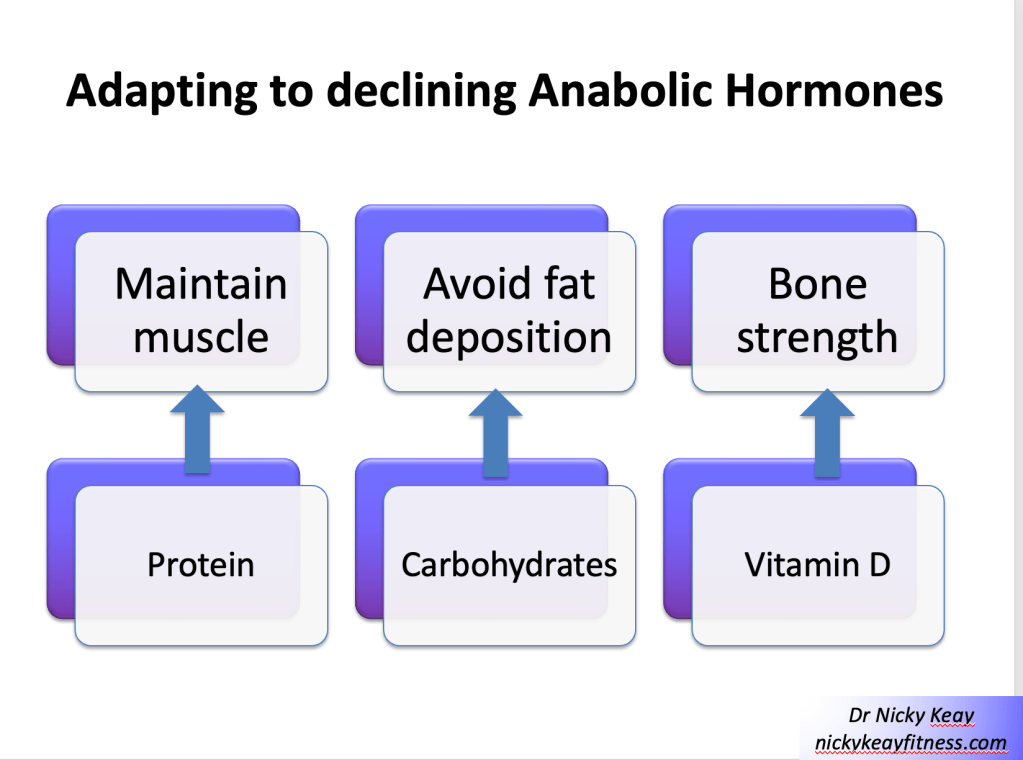
The cause of these age-related changes is a decline in the production of specific hormones. Growth hormone falls insidiously from the time we reach adult height. From the age of 50, testosterone levels drop slightly in men, while oestradiol levels fall dramatically as women reach menopause. The key thing to note about growth hormone and testosterone is that they are anabolic agents, i.e. they build muscle. As they decline, there is a tendency to lose muscle and to increase fat deposition. Sex steroids also play a pivotal role in bone formation.

Protein, Carbohydrates and Vitamin D

Fortunately there are measures we can take to counter the effects of declining hormones. Nutrition plays an important role. Understanding the physiological effects of hormonal changes makes it easier to recognise beneficial adaptations in your diet.

Protein provides the building blocks required for muscle. Taking an adequate level of protein, spread out through the day, is beneficial.

Carbohydrates are the key fuel for moderate to high intensity. Fasted training is not advisable. The body’s shock reaction to underfuelled training is to deposit fat.

The UK government advises everyone to take vitamin D supplements, especially over the winter. In addition to supporting bone health, studies have shown improved immunity and muscle recovery.

Nutrition as you get older

Nutrition, Exercise and Recovery

When combined with adequate nutrition, exercise, particularly strength training, stimulates the production of growth hormone and testosterone. It is important to ensure adequate recovery and to follow a regular routine of going to be early, because these hormones are produced while you are asleep.

Everybody is unique, so you need to work out what works best for you. For further insights on this topic, Dr Nicky Keay has written a book full of top tips, called Hormones Health and Human Potential.

Don’t ride your bike like an astronaut

Screenshot 2019-04-05 at 17.13.59

Astronauts return from the International Space Station with weak bones, due to the lack of gravitational forces. It is surprising to learn that competitive cyclists can experience similar losses in bone density over the period of a race season.

The problem is called Relative Energy Deficiency is Sport (RED-S). This occurs when lean athletes reach a tipping point where the benefits of losing weight become overwhelmed by negative impacts on health. When deprived of sufficient energy intake to match training load, certain metabolic systems become impaired or shut down.

Colleagues from Durham University and I recently published a study investigating what cyclists at risk of RED-S can do to improve their health and performance. It is freely available and written in an accessible way, without the requirement for specialist expertise.

Race performance

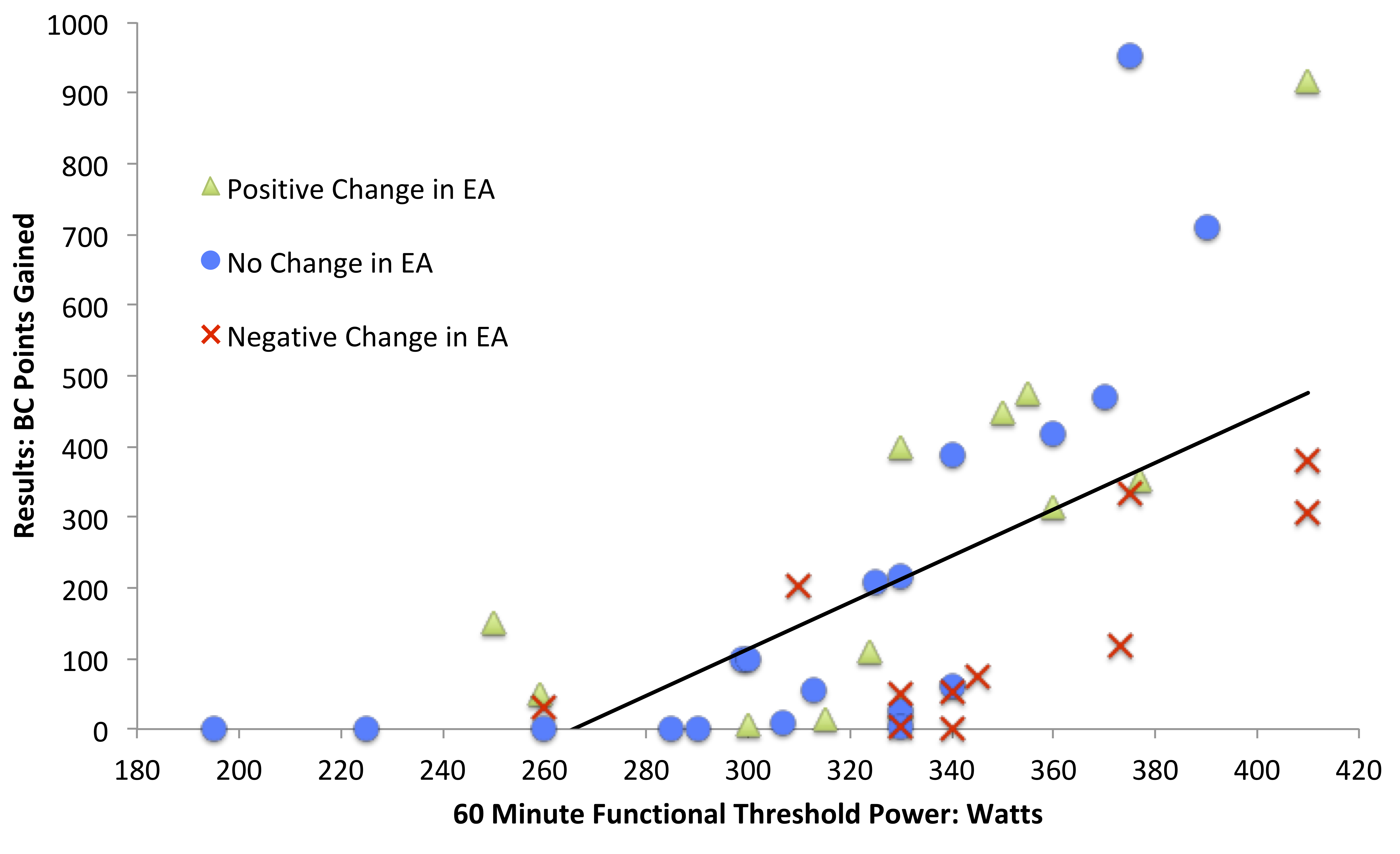
Race performance was measured by the number of British Cycling points accumulated over the season. This was correlated with power (FTP and FTP/kg) and training load. However, changes in energy availability proved to be an important factor. After adjusting for FTP, cyclists who improved their fuelling (green triangles) gained, on average, 95 points more than those who made no change. In contrast, those who restricted their nutrition (red crosses) accumulated 95 fewer points and reported fatigue, illness and injury.

Figure2 600
Race Performance versus FTP and changes in Energy Availability (EA)

The nutritional advice included recommendations on adequate fuelling before, during and after rides. Also see my previous article on fuelling for the work required.

Bone health

Competitive road cyclists can fall into an energy deficit due to the long hours of training they complete. Although an initial loss of excess body weight can lead to performance improvements, athletes need to maintain a healthy body mass. The lumbar spine is particularly sensitive to deficiencies of energy availability.

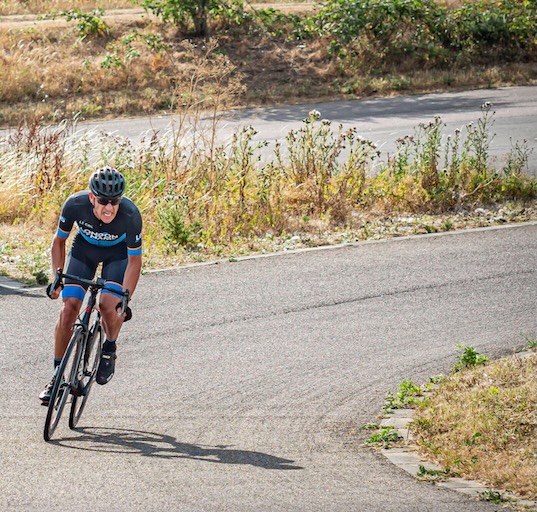
In cyclists, the lower back also fails to benefit from the gravitational stresses of weight-bearing sports. This is why, in addition to nutritional advice, study participants were recommended some basic skeletal loading exercises (yes, that is me in the pictures).

The cyclists fell into three general groups: those who made positive changes to nutrition and skeletal loading, those who made negative changes and the remainder. The resulting changes in bone mineral density over a six month period were striking, with highly statistically significant differences observed between the groups.

Those making positive changes (green triangles) saw significant gains in bone mineral density, while those making negative changes (red crosses) saw equally significant negative losses in bone density. Any individual observation outside the band of the least significant change (LSC) is indicative of a material change in bone health.

Figure1 600
Changes in Lumbar Bone Mineral Density versus Behaviour Changes

Conclusions

The study provided strong evidence of the benefits of positive changes and the costs of negative changes in nutrition and skeletal loading exercises. It was noted that certain cyclists found it hard to overcome psychological barriers preventing them from deviating from their current routines. It is hoped that such strong statistical results will help these vulnerable athletes make beneficial behavioural changes

References

Clinical evaluation of education relating to nutrition and skeletal loading in competitive male road cyclists at risk of relative energy deficiency in sports (RED-S): 6-month randomised controlled trial, Nicola Keay, Gavin Francis, Ian Entwistle, Karen Hind. BMJ Open Sport and Exercise Medicine Journal, Volume 5, Issue 1. http://dx.doi.org/10.1136/bmjsem-2019-000523


Fuel for the work required: periodisation of carbohydrate intake

screenshot2019-01-31at16.06.16
Fuel for the work required, Impey et al, Sports Med (2018) 48:1031–1048

Last week I attended an event announcing the forthcoming launch of a new fitness app called Pillar. It offers combined training and nutrition advice to help athletes achieve their goals. Pillar is backed by a strong scientific team including Professor James Morton, Team Sky Head of Performance Nutrition, and Professor Graeme Close, England Rugby Head of Performance Nutrition.

James Morton gave a fascinating presentation about the periodisation of carbohydrate (CHO) fuelling, including a detailed description of the nutrition strategy he created to support Chris Froome’s famous 80km attack on stage 19 of the 2018 Giro d’Italia. His recent paper explains the underlying science. These are some of the key points.

  • Always go into competition fully fuelled with carbohydrate
    • Well-fuelled athletes perform for longer at higher intensities than those with depleted reserves
    • Basic biochemistry: fat burning is too slow and supplies of the phosphocreatine are too small to sustain intensities over 85% of VO2max
    • Theory is backed up by experiment
  • There are pros and cons to training with low levels of carbohydrate
    • Positive effects: Improved fat burning, changes in cell signalling, gene expression and enzyme/protein activity, potential to save precious glycogen stores for crucial attacks later in a race
    • Negative effects: Inconsistent evidence of improved performance, ability to complete training session may be compromised, reduced immunity, risks to bone health, loss of top end for those on high fat/low carb (ketogenic) diet
  • Different ways to train with low carbohydrate
    • doing two sessions in one day with minimal refuelling
    • low carb evening meal and breakfast: sleep low, train low the next morning
    • fasted rides
    • high fat/low carb diet

Is there a structured method of training that provides the benefits without the negatives?

  • The authors propose a glycogen threshold hypothesis
    • Positive effects seem to be dependent on commencing with muscle glycogen levels within a specific range
    • Levels have to be low enough to promote positive effects
    • But when too low, protein synthesis may be impaired and the ability to complete sessions is compromised
  • This leads to the idea of periodising carbohydrate consumption, meal by meal, around planned training sessions
  • “Fuelling for the work required”
    • low carbs before and during lighter training sessions
    • high carbs in preparation for and during rides with greater intensities
    • always refuel after training
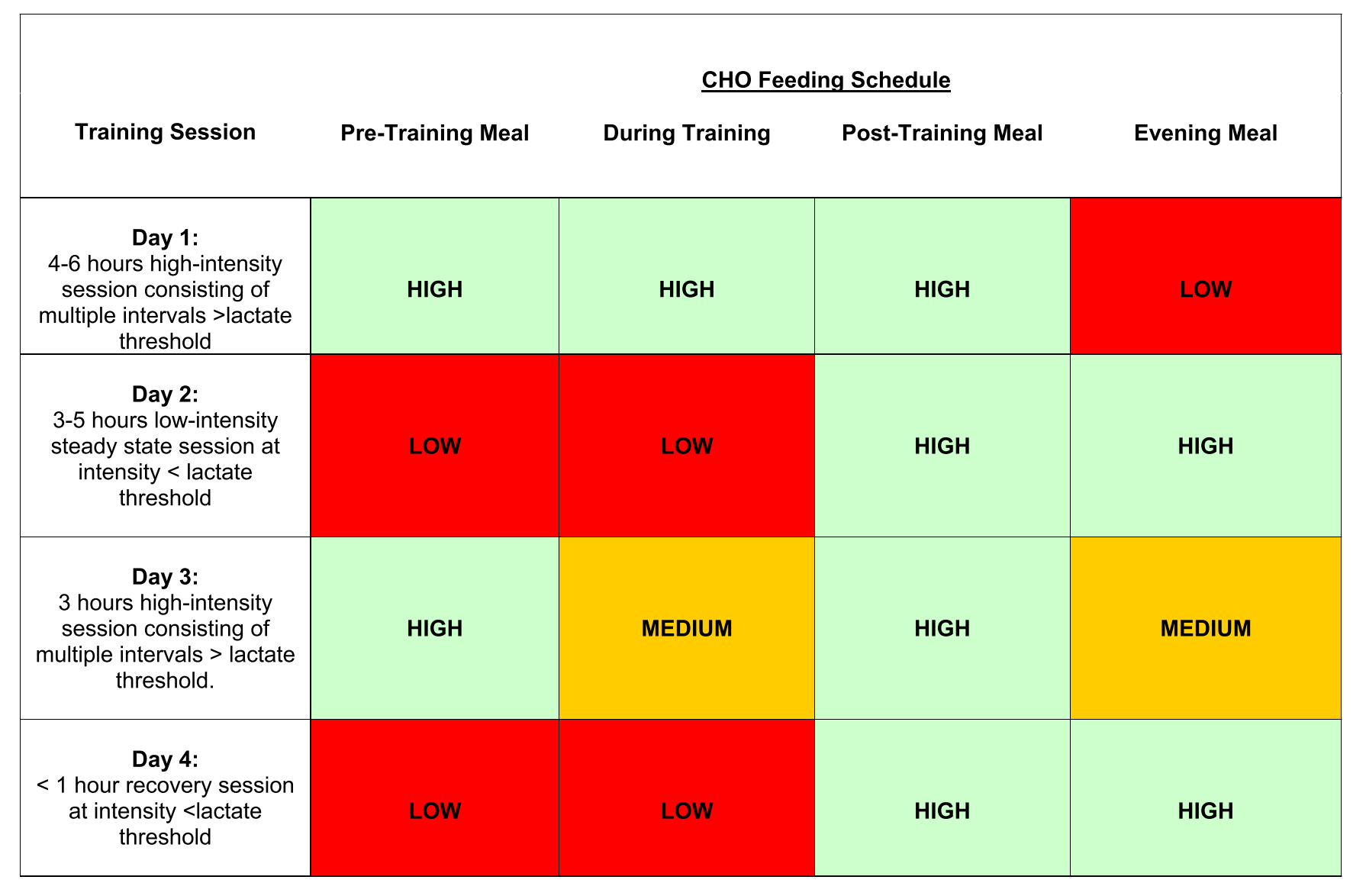
  • The diagram above provides an example for an elite endurance cyclist
    • The red, amber, green colour coding indicates low, medium or high carbohydrate consumption
    • On day 1, the athlete aims to “train high” for a hard session
    • A lighter evening meal on day 1 prepares to “sleep low, train low” ahead of a lower intensity session on day 2
    • Carbohydrate intake rises after exercise on day 2 in anticipation of a high intensity session on day 3
    • Fuelling is moderated on the evening of day 3 as day 4 is assigned as a recovery day
    • Carbohydrate rises later on day 4 to prepare for the next block of training
  • The Pillar app aims to provide these leading edge scientific principles to amateur cyclists and other athletes

In order to put this into action, you need to know how much carbohydrate you are consuming. My assumption has been that my diet is reasonably healthy, but I have never actually measured it. So I have been experimenting with free app MyFitnessPal that can be downloaded onto your phone. This provides a simple and convenient way to track the nutritional composition of your diet, including a barcode scanner that recognises most foods. You can link it to other apps such as Training Peaks to take account of energy expended. However, neither of these tools plans nutrition ahead of training sessions. Pillar aims to fill this gap. It will be interesting to see whether this turns out to be successful.

References

Fuel for the Work Required: A Theoretical Framework for Carbohydrate Periodization and the Glycogen Threshold Hypothesis, SG Impey, MA Hearris, KM Hammond, JD Bartlett, J Louis, G Close, JP Morton, Sports Med (2018) 48:1031–1048, https://doi.org/10.1007/s40279-018-0867-7

Fuel for the work required: a practical approach to amalgamating train-low paradigms for endurance athletes, Impey SG, Hammond KM, Shepherd SO, Sharples AP, Stewart C, Limb M, Smith K, Philp A, Jeromson S, Hamilton DL, Close GL, Morton JP, Physiol Rep. 2016 May;4(10). pii: e12803. doi: 10.14814/phy2.12803

Low carbohydrate, high fat diet impairs exercise economy and negates the performance benefit from intensified training in elite race walkers, Burke LM, Ross ML, Garvican-Lewis LA, Welvaert M, Heikura IA, Forbes SG, Mirtschin JG, Cato LE, Strobel N, Sharma AP, Hawley JA.  J Physiol. 2017;595:2785–807

Low energy availability assessed by a sport-specific questionnaire and clinical interview indicative of bone health, endocrine profile and cycling performance in competitive male cyclists, BMJ Open Sport & Exercise Medicine,https://doi.org/10.1136/bmjsem-2018-000424